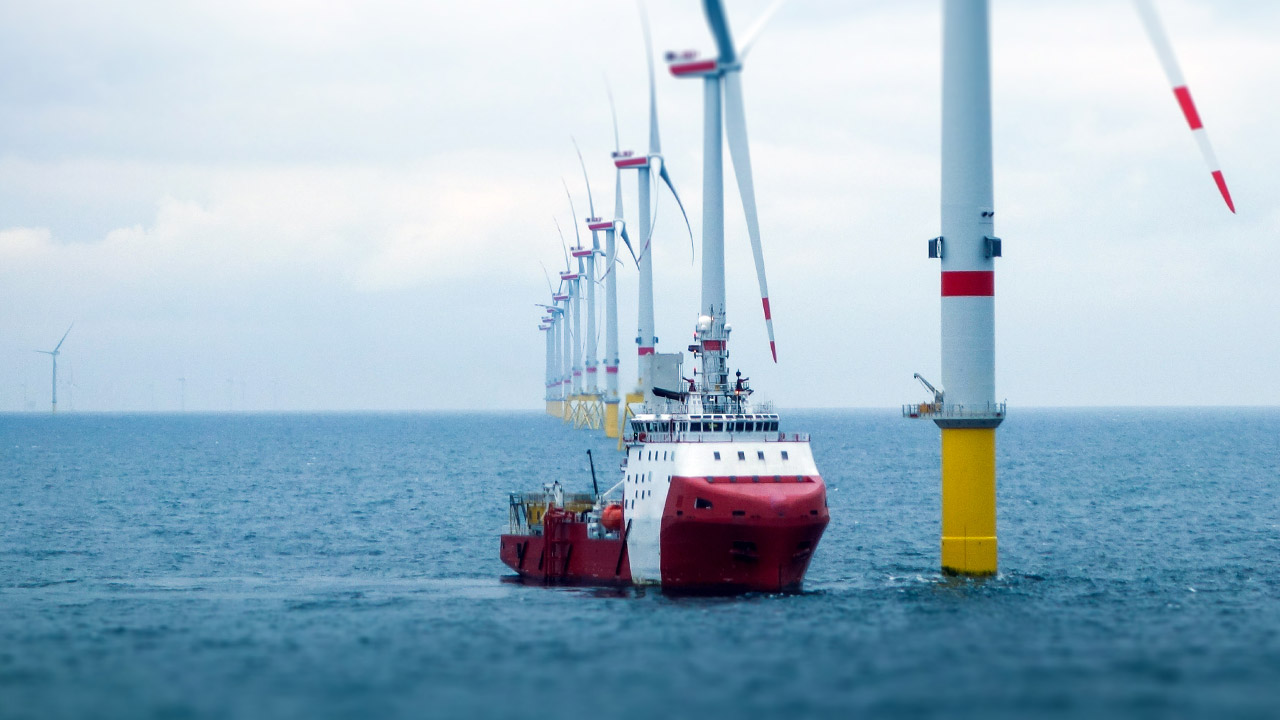
Biofouling management
Anti-fouling systems combat fouling by algae, barnacles and other organisms on vessel hulls and equipment. They improve efficiency, reduce maintenance and help preserve ecosystems by hindering the transport of potentially invasive species. Alfa Laval Sonihull technology is an innovative biofouling management solution based on ultrasound. Designed for longevity and ease of use, it provides a modern alternative to traditional biofouling management with coatings, chemicals and mechanical cleaning.
Smarter biofouling management with ultrasonic technology
- Combat barnacles, algae and other forms of biofouling effectively – without releasing biocides or microplastics into the environment
- Substantially reduce fuel consumption by keeping hull, propellers and rudders clean at all times
- Reduce maintenance downtime and costs, eliminating mechanical cleaning of hard-to-reach areas
- Avoid disturbance to crews, vessel structures, sonar and electronic equipment thanks to inaudible ultrasound
- Install easily and without dry docking, as there are no through-hull fittings
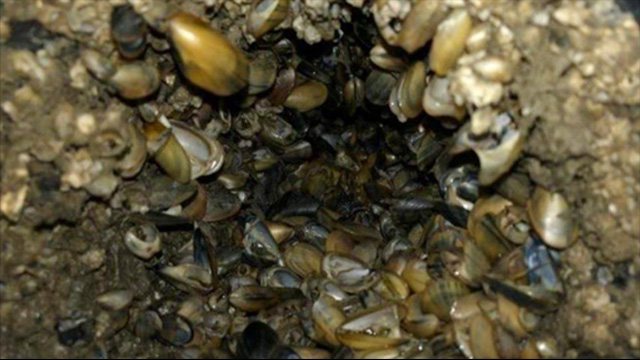
Biofouling presents a range of challenges on vessels, including added drag from accumulated organisms on the hull. The extra resistance can increase fuel consumption, leading to more greenhouse gas (GHG) emissions and higher operating costs. Additionally, biofouling can form on other submerged surfaces, which affects the performance and lifetime of propellers, sensors, cooling systems and other equipment.
Alfa Laval Sonihull anti-fouling technology resolves these issues and more. Relying on ultrasound rather than biocidal coatings, cleaning chemicals or mechanical cleaning, it prevents biofouling simply and without potentially harmful substances.
Key applications in biofouling management
Propulsion systems
Ultrasonic anti-fouling technology protects propellers, thrusters and waterjets without the use of biocides. By improving efficiency, it reduces fuel consumption, lowers GHG emissions and contributes to a better Carbon Intensity Indicator (CII) rating. It also means less frequent propeller polishing, which reduces maintenance costs and downtime.
Sea chests
By keeping sea chests clean, ultrasonic anti-fouling technology helps reduce the environmental impact of maritime operations. Without resorting to biocides, it reduces the need for cleaning-in-place (CIP) maintenance while minimizing the risk of transporting potentially invasive species. In addition, it saves up to 95% of the CAPEX and OPEX compared to impressed-current technology.
Strainers and pipework
Ultrasonic anti-fouling technology maintains optimal performance in critical engine cooling water systems, supporting reliable and efficient operations. Strainers and pipework can be kept clean with minimal maintenance and no chemical or mechanical cleaning.
Coolers and freshwater generators
Box coolers, plate coolers, shell-and-tube coolers and freshwater generators based on similar technologies can all benefit from ultrasonic anti-fouling, which prolongs their maintenance intervals. The need for chemical or mechanical cleaning is minimized, which promotes more reliable and efficient operations.
Hulls
By preventing bioaccumulation on the hull, ultrasonic anti-fouling reduces reliance on coatings and improves hydrodynamic efficiency in a more sustainable way. The result is less fuel consumption, which lowers operating costs, reduces emissions and contributes to an improved Carbon Intensity Indicator (CII) rating.
Looking for solutions to prevent biofouling on your vessel – and in your specific applications?
Turn to us for tailored support and discover how Sonihull can optimize protection and performance.
Products
Insights
Compliance with biofouling regulations
No longer just a performance issue, marine biofouling is quickly becoming a compliance issue. As local biofouling regulations tighten, IMO is developing a legally binding regulatory framework. Besides demanding that entering vessels have clean hulls, ports may forbid cleaning methods that lead to the release of biocides or metals.
All this makes coatings and manual cleaning increasingly impractical. Preventive biofouling management with Sonihull is a smart way to avoid delays, fines and other compliance-related setbacks.
Biofouling, energy efficiency and CII
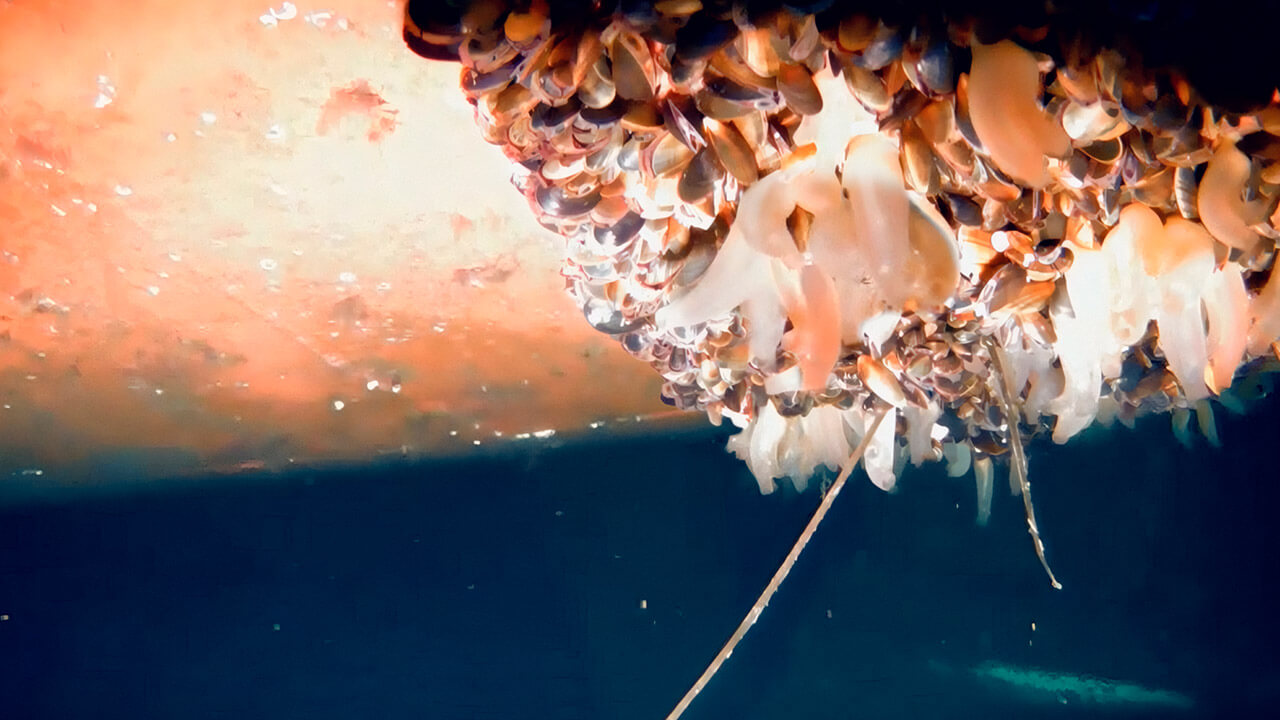
Biofouling affects vessel energy efficiency in multiple ways. When organisms accumulate on the hull, they add drag that increases fuel consumption and emissions directly. But biofouling can also form on other wetted surfaces, such as in the sea chest or within cooling systems. This decreases the performance of cooling and other processes, causing further energy losses – and possibly loss of uptime.
Sonihull combats biofouling on all submerged surfaces. It optimizes hydrodynamics when installed on the hull and propeller, but it also saves energy in many engine-related systems. This makes it an effective way to reduce fuel consumption and improve Carbon Intensity Indicator (CII) ratings.

Anti-fouling on larger vessels
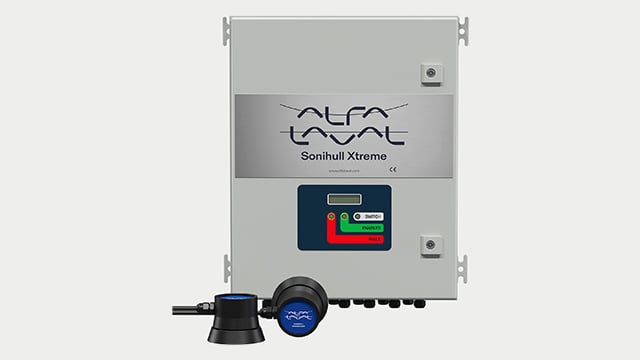
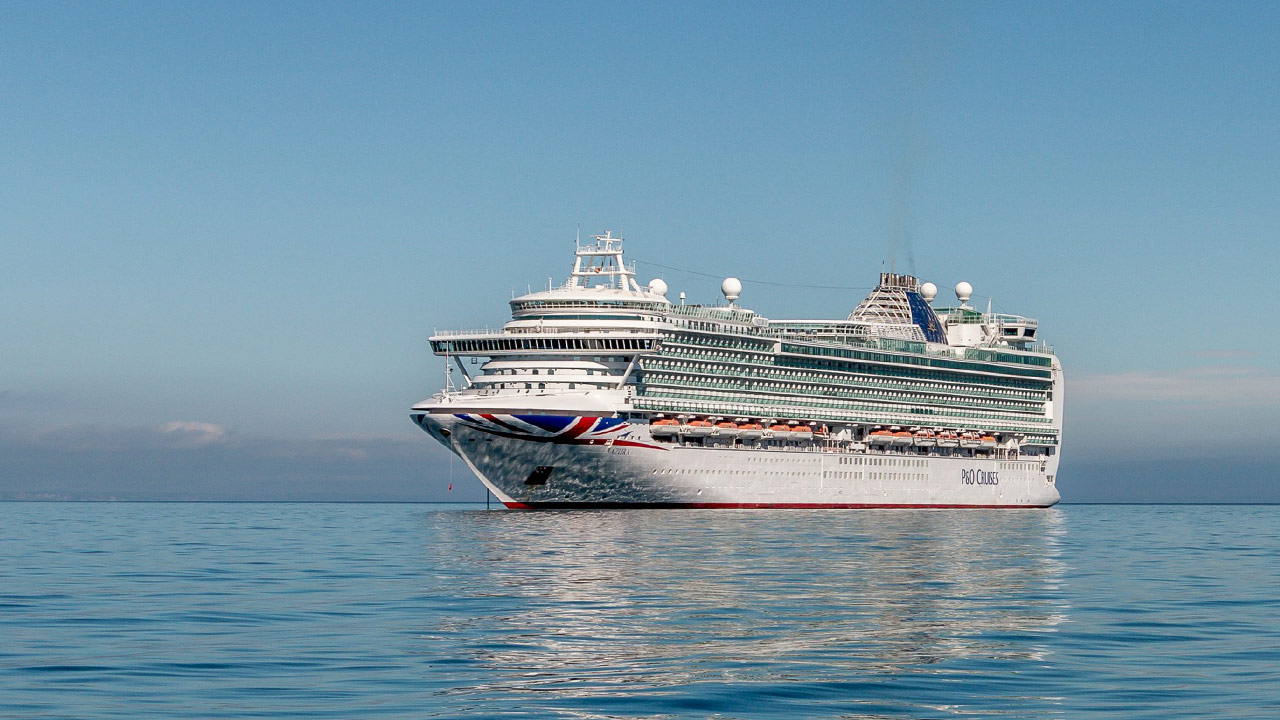
Sonihull ultrasonic anti-fouling technology offers significant advantages on tankers, cargo vessels, cruise ships, naval vessels and more. Here, even a small difference in propulsion or cooling efficiency means major savings in fuel costs and emissions. Sonihull Xtreme offers flexible coverage for even the largest vessels, with advanced algorithms and intelligent thermal management for dynamic performance optimization.
Anti-fouling on small and mid-sized vessels
Smaller vessels are often more exposed to biofouling, due to low speeds, frequent idling and operation in warmer waters. Sonihull ultrasonic anti-fouling technology maintains efficiency and operational readiness on support vessels, fishing boats, ferries, tugs, pilot boats, superyachts and more. Sonihull is both easy and cost-effective to deploy, providing full protection of the hull and critical seawater systems.